
Choosing excellent freezer-safe food labels is essential for ensuring stability and performance in long-term cold storage. From cold-resistant adhesives to moisture-proof face materials, this guide explores the technical standards and critical factors for organic food packaging in extreme low-temperature environments.
Key Features of Premium Freezer Safe Food Labels for Long-Term Frozen Storage
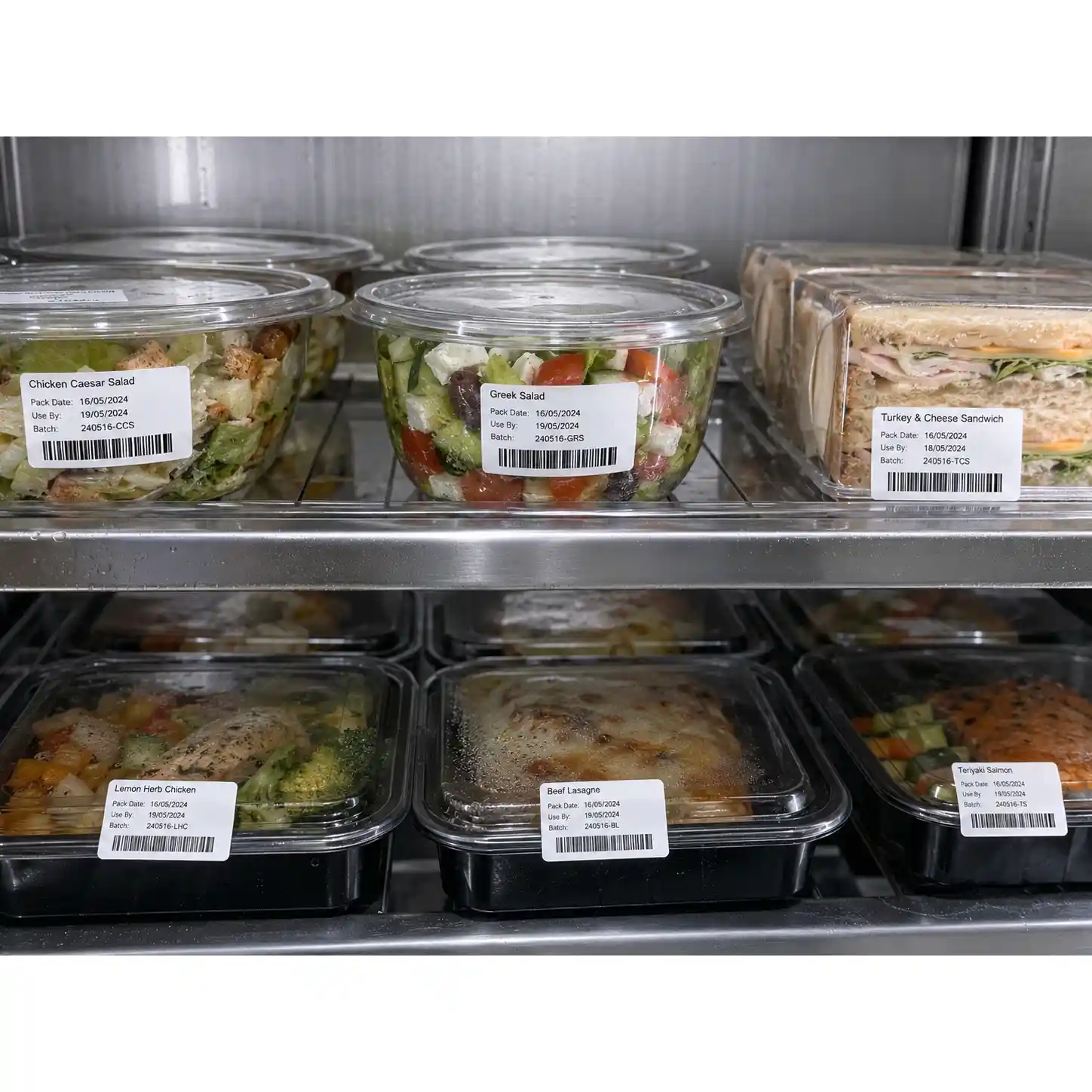
Excellent freezer safe food labels are carefully designed for their stability and effectiveness at extremely cold frozen food storage, providing good adhesion and clarity for several months or even years in either commercial cold rooms or home freezers. The unique cold resistance properties of these special food labels are achieved by the use of customized cold resistant adhesives which ensure steady stickiness and prevent any lifting, bubbling and complete separation during long-term static storage and changing temperatures in freezers which can be damaging for ordinary labels.
The surface of high-quality freezer safe food labels is made from premium materials which provide exceptional frost and moisture resistance to prevent blurring of prints, damaging of texture and destruction of standard food labels due to heavy condensation and frost in freezers. Moreover, environmentally friendly and fade resistant printing inks are used for production of such professional food labels that allow to keep all important information about products, including text, brand name, ingredients and certifications without smudging, fading and peeling. Due to flexible yet durable materials, these labels fit well both flat and curved surfaces of food packages, having great tensile strength and preventing damage.
Common Causes of Cold Chain Label Adhesive Failure in Low-Temperature Environments
The problem of failure of the label adhesive during cold chain logistics and prolonged low temperature storage is due to imperfections and poor compatibility of materials used in manufacturing of the packaging by organic food companies. The conventional label adhesive rapidly loses its initial viscosity under conditions of constant sub-zero temperature due to the fact that cold air hardens its internal adhesive layer and totally eliminates the adhesive forces between labels and various food packaging materials.
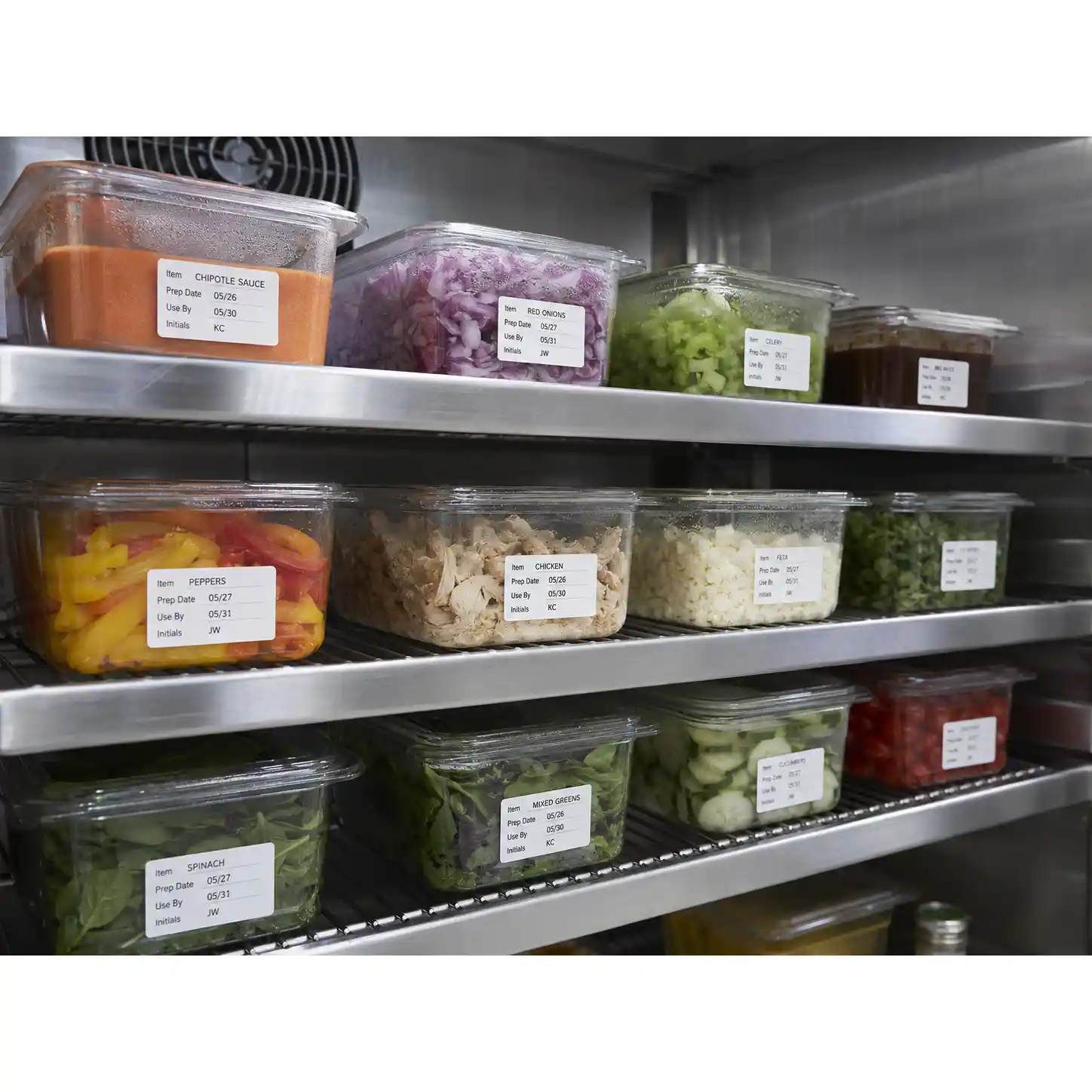
Constant temperature variations in central cold rooms, refrigerated transportation vehicles and frozen display cabinets create condensation on the outside packaging surface, forming a layer of moisture that gradually creates an invisible barrier between the label and the package leading to partial or total separation. Most conventional food labels are made of inexpensive water-based adhesive unsuitable for the rigorous conditions of cold chain operation and unable to withstand long-term frost abrasion leading to gradual peeling off the labels.
Professional Solutions to Avoid Cold Chain Label Adhesive Peeling and Falling Off
Use of quality materials and standardized processes for labeling is able to solve repeatedly occurred cold chain label adhesive peeling and dropping problem for professional organic food packaging. By adopting high-quality and specially designed low-temperature solvent-based adhesives used for bonding only in freezing conditions, the quality and duration of bonding will be guaranteed due to the fact that special composition of this kind of adhesive allows it to resist the influence of freezing and to keep its flexible properties while being exposed to freezing temperatures and frequent changes in temperatures during cold chain logistics.
Waterproof label backing materials improve the durability of labels, as they do not allow label edges to curl up or shrink when exposed to multiple expansion and contraction caused by frosting. Adequate pre-treatment of packaging materials helps to create dry and clean surface for bonding, which increases the quality and durability of labels. The brand may choose customized thickness of labels and strength of adhesion depending on materials used for packaging (including plastic films, kraft paper boxes and composite packaging). Standardized bonding conditions for labels in room temperature also guarantee perfect sticking effect.
Core Standards for Qualified Organic Food Packaging Labels in the Freezer Industry
Freezer-appropriate organic food packaging labels have to conform to rigorous safety and environmental industry standards, as well as demonstrate stable adaptive properties at extremely low-temperature operation. All materials used for manufacturing label base and printing ink should be in accordance with premium safety requirements concerning the production of food-grade products without any harmful or toxic chemical components, which might be dissolved and lead to pollution of natural, organic foods in conditions of long-term storage and freezing and thawing cycles.
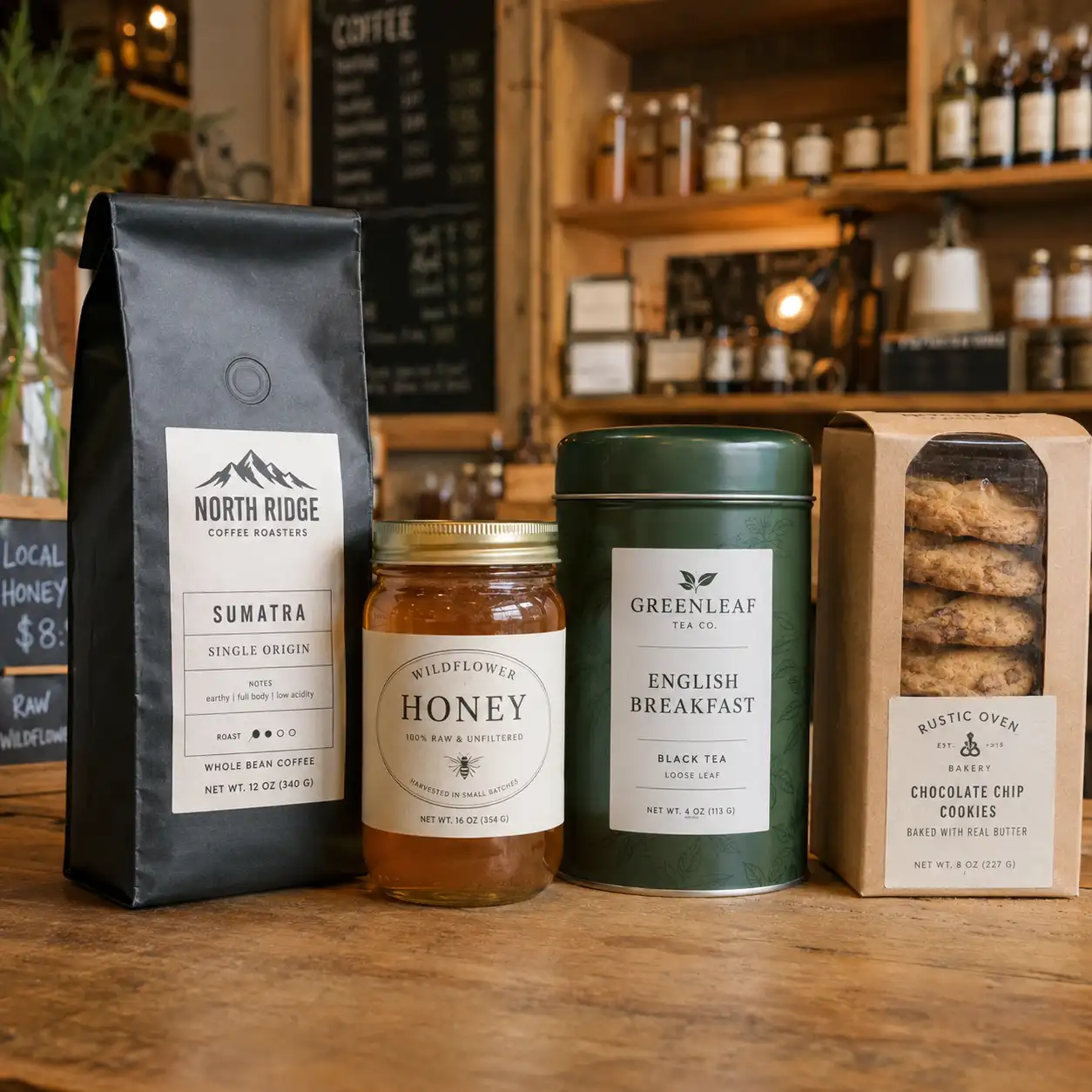
Certified organic packaging labels should demonstrate durable and permanent printing of all essential information about product including its origin, list of ingredients, certification, date of production and shelf life data without any signs of fading, blurring or smearing in conditions of constant frosting and low-temperature erosion. Freezer labels for organic products have to pass third-party freezing resistance tests for proving their stable physical characteristics without any cracking, shrinking or peeling in sub-zero conditions of storage. Biodegradability and recyclability of eco-friendly material is a key requirement of the industry and perfectly fits into the sustainable and green development philosophy of the worldwide organic food industry, and standardization of size and safe adhesive provide full compliance with organic food packaging regulations.
How to Select Durable Freezer-Safe Labels for Organic Food Cold Chain Transportation
Choosing high-quality and highly durable freezer-safe labels to be used for the cold chain transport of organic foods needs a thorough investigation of environmental suitability, safety accreditation and usability of labels for long-term logistics and frozen storage. Consumers need to choose those labels that come with customized professional cold-resistant adhesive systems, which allow the labels to have a constant stable bonding strength in spite of frequent changes in temperatures and months-long freezing.
It is important to check the certification credentials to make sure that all the materials from which the labels are made (base material, adhesive and ink) satisfy food grade and environmental safety standards so that they do not affect the purity of the food products and organic certifications. Surface printing quality and functions should be checked in order to be sure that they have high resistance to frosts, moisture and fading, which allows them to be visible at any stages of cold chain transportation, storage and placement on retail shelves. Professional consumers match the specialized label materials with the certain type of packaging, such as plastic films, plastic boxes and coated paper boxes, focusing on their durability and anti-crack properties in order to avoid damages during transportation.
Verify Your Cold Chain Labeling Performance
Testing your label adhesives under real -18°C blast freezing and moisture condensation conditions prevents costly transit peeling. Contact HY Paper’s technical center for customized material testing and free physical samples.